43 understanding fat on nutrition labels
Understanding Nutrition Labels - News-Medical.net For example, If the %DV of saturated fats in a serving is 25% that means the food has a high saturated fat content. Health experts suggest that nutrients like saturated fats, added sugars, and... Nutrition facts label - Wikipedia The nutrition facts label (also known as the nutrition information panel, and other slight variations) is a label required on most packaged food in many countries, showing what nutrients and other ingredients (to limit and get enough of) are in the food. Labels are usually based on official nutritional rating systems.Most countries also release overall nutrition guides for general educational ...
How To Read Food and Beverage Labels - National Institute on Aging Most older adults exceed the recommended limits for saturated fats, sodium, and added sugars. Compare and choose foods to get less than 100% DV of these each day, making sure to adjust for how many calories are in your diet. Additionally, many older adults do not get the recommended amounts of dietary fiber, vitamin D, calcium, and potassium.

Understanding fat on nutrition labels
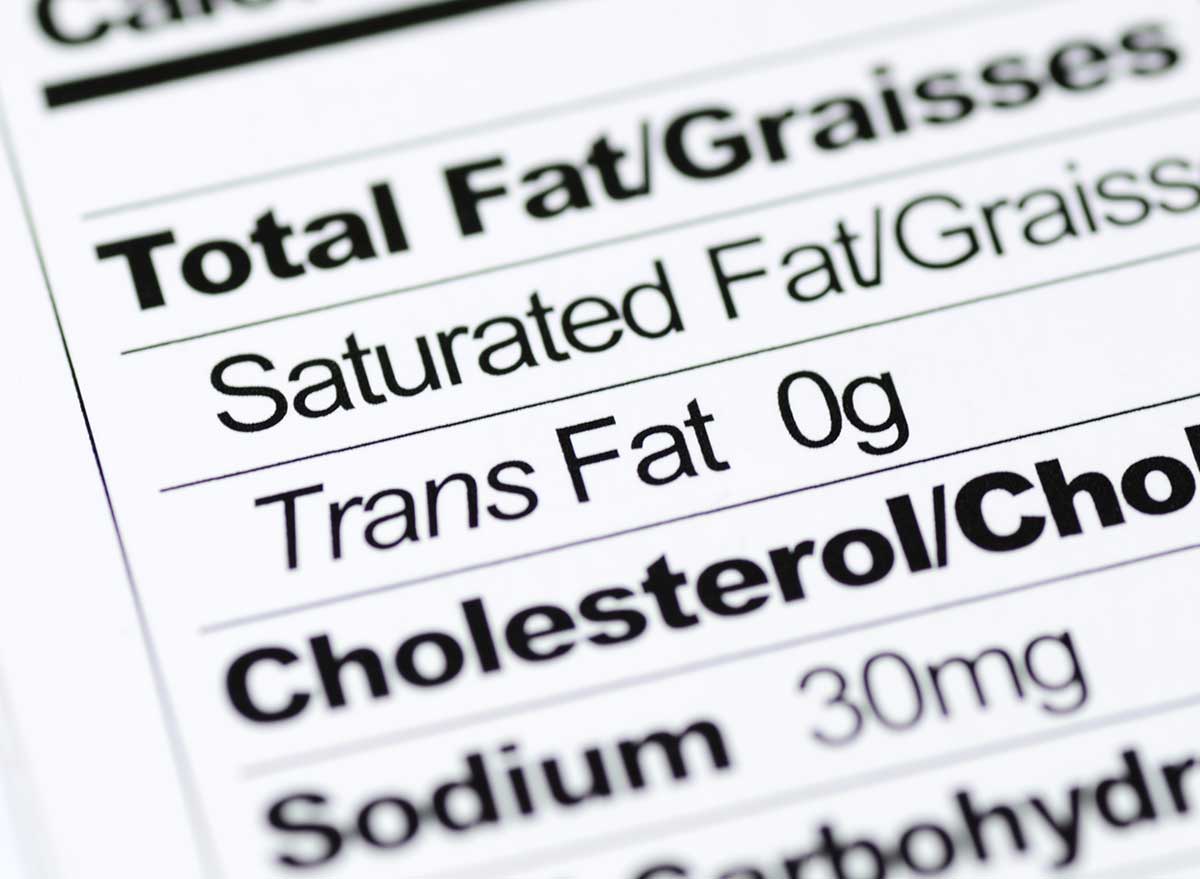
How to Read a Nutrition Facts Label | Everyday Health "The nutrition facts label can have 0 g listed next to trans fat, as long as the product has less than 0.5 g of trans fat per serving," says Goergen. "That goes for any of the nutrients ... Applying nutrition label facts to your daily diet - Studio LBP The U.S. Food and Drug Administration (FDA) requires the label on all packaged foods and beverages. Understanding the Nutrition Facts Label. Here are the definitions of the key terms on food labels and how they can help you make healthy choices about the foods you eat. Servings Per Container is the number of servings in each container. Some ... The Basics of the Nutrition Facts Label Aim low in saturated fat, trans fat, cholesterol and sodium. High is 20% or more. Aim high in vitamins, minerals and dietary fiber. Step 4: Check Out the Nutrition Terms Low calorie: 40 calories or less per serving. Low cholesterol: 20 milligrams or less and 2 grams or less of saturated fat per serving.
Understanding fat on nutrition labels. The New Nutrition Facts Label | FDA The U.S. Food and Drug Administration (FDA) has updated the Nutrition Facts label on packaged foods and drinks. FDA is requiring changes to the Nutrition Facts label based on updated scientific... Understanding Nutrition Labels: Importance of Health Literacy The Nutrition Labeling and Education Act of 1990, [ 2] which required nearly all packaged foods to carry the NFP label, was intended to allow consumers to make healthy food choices and ultimately... Dietitians Say These Are The Biggest Red Flags To Look For On Nutrition ... Keeping your salt intake to a minimum and opting for foods that are labelled "low sodium" are generally your best bet for ensuring your food choices will benefit your body, and paying attention to this in tandem with serving size and sugar content will make all the difference in weeding out unhealthy ingredients from your diet. Applying Nutrition Label Facts To Your Daily Diet - Seattle Medium Nutrients include fat content (total, saturated, and trans), cholesterol, sodium, carbohydrates (fiber and sugars), protein, vitamins, calcium, and iron. It is vital to understand whether each of these is good for your health or should be avoided. We'll go into that below. % Daily Value (%DV) is based on a daily diet of 2,000 calories.
How to Tell If Foods Are Low or High Cholesterol - Verywell Health This is the artery-clogging kind that can lead to heart attacks or strokes. 6. Trans fats have also been linked to increased LDL levels and lowered levels of high-density lipoprotein (HDL) cholesterol, or "good cholesterol." 7. The USDA recommends limiting saturated and trans fats as much as possible. Unsaturated fats, however, can be good for ... Decoding the updated nutrition facts label - IFT.org For some food products, you may see nutrition information per serving and per package on the label. Calories from fat is not required because research shows that the type of fat consumed is more important than the amount. Sugars is now listed as Total Sugars and includes naturally-occurring and added sugar. Understanding Food Nutrition Labels, Mount Carmel Blog Calories. Calories provide a measure of how much energy you get from a serving of the food in the package you're reading. For example, if there are 100 calories in one serving of a drink, you get 100 units of energy from that serving. If you drink the whole bottle containing 4 servings, you'd be consuming 400 calories. This Is How to Read a Nutrition Facts Label on the Keto Diet 1 gram of fat = 9 calories (9 units of energy) You don't have to memorize these values, but simply keep in mind that calories are the sum total energy of the protein, carbs, and fats found in food, and they strongly influence whether you lose, maintain, or gain weight. Percent Daily Value (% Daily Value)
Fats, sugar, carbs: How to read a food label (and seven words to watch ... For processed foods such as biscuits, cakes, pastry, frozen goods and snacks, aiming for foods with less than 10 per cent fat is a good reference point, or less than 3 per cent saturated fat, which will help to ensure you do not eliminate the good fats with the bad. What about sugar? Nutrition Facts Label - IFT.org The Nutrition Facts Label, also referred to as the Nutrition Facts Panel, on packaged food and beverage products is intended to help consumers make informed food choices that contribute to a healthy diet. The first Nutrition Facts Label regulations were published in 1993 and launched in 1994. FDA Rounding Rules for Your Food Label - LabelCalc Calories from Fat, Total Fat, Saturated Fat, and Trans Fat. If your value for total fat is: Less than 0.5 grams, round down to 0 (i.e. 0.48 becomes 0). Between 0.5 and 5 grams, round to the nearest half gram (i.e. 4.38 rounds to 4.5). 5 grams and above, round to the nearest whole gram (i.e. 78.73 rounds to 79). Understanding Nutrition Fact Labels | Columns | thecourierexpress.com The nutrients you want more of include: dietary fiber, vitamin D, calcium, iron, and potassium. Unlike saturated fat, sodium, and sugar, Americans generally do not consume enough of these...
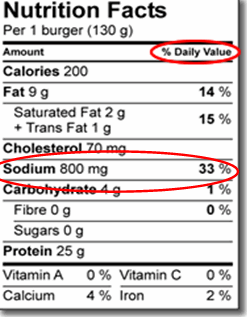
HOLD the Salt Please! - Too Busy to Diet
Your guide to understanding Nutrition Facts labels | The Star The list gives you information on 13 core nutrients: fat, saturated fat, trans-fat, cholesterol, carbohydrate, sodium, fibre, sugars, protein, vitamin A, vitamin C, calcium and iron. If these...

How to Read Food Labels - Food Labels Explained
Reading a food label 101 - Diets in Review Nutrition labels are so important because they provide you with a detailed look of what is inside the food you are consuming. ... By having an understanding of the serving size and calorie section of the label can help you manage your weight. Nutrients-this can be best broken down into two groups: Nutrients to limit (such as total fat ...

UHN Blog: What Is Nutrition? Our Practical Diet Guide Explains | Nutrition facts label ...
How to Read Nutrition Facts Label - Food Network It's not an easy recommendation to understand because, of course, the labels are all in grams. To get an idea of where you roughly want to be when it comes to saturated fat, follow the math method...

UNDERSTANDING FOOD LABELS - MAKE THE BEST FOOD DECISIONS | BEAUTY | Reading food labels, Food ...
How to Read Food Labels: Understanding Claims & Components Here is how the rule works. If a food has 5% Daily Value or less, it is low in that nutrient. If it has 20% Daily Value or more, it is high in that nutrient. So, a glass of artificial orange drink ...
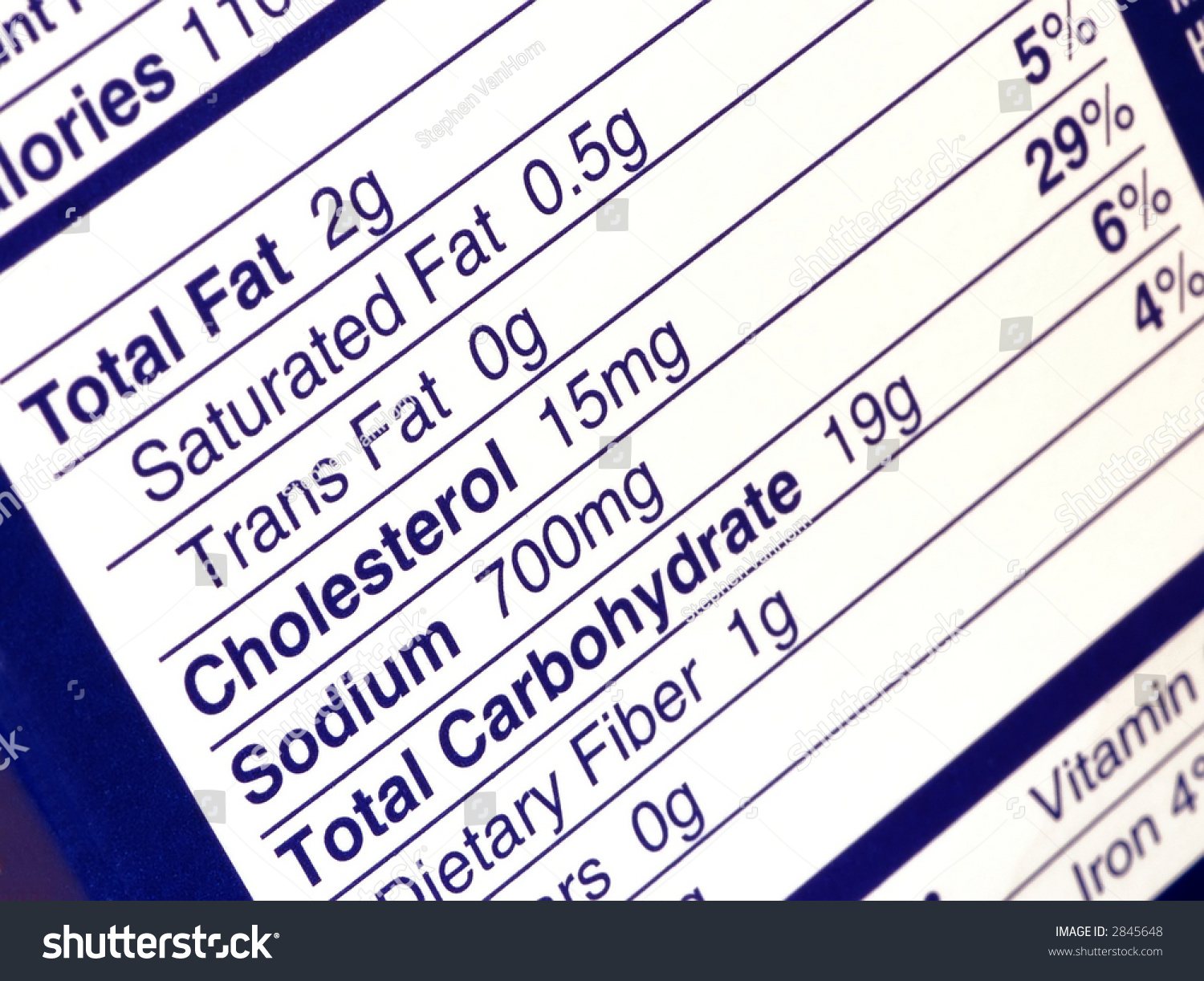
Close Nutritional Label Centered On Fat Stock Photo 2845648 - Shutterstock
Help patients understand Nutrition Facts labels to eat smarter Most Americans exceed the recommended limits for certain nutrients in their diets: saturated fat, sodium and added sugars. This video reviews how the Nutrition Facts label can help patients compare and choose foods and beverages lower in these nutrients, which can help reduce their risk of developing some health conditions.
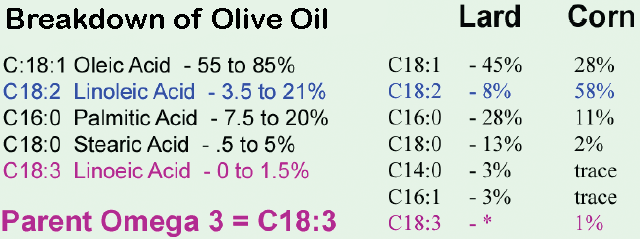
Week 5. Nutrition Facts Labels and Conventional Dietary Structure: Perceptions and Ignorance ...
How to Understand and Use the Nutrition Facts Label | FDA Nutrients to get less of: Saturated Fat, Sodium, and Added Sugars. Saturated fat, sodium, and added sugars are nutrients listed on the label that may be associated with adverse health effects - and...

33 What Is Total Fat On Nutrition Label - Label Design Ideas 2020
Reading Nutrition Labels and Food Packaging: Four Tips for Savvy Shopping 2. Don't believe anything you read on the front of a package. Food packages tend to be plastered with bold, exciting, and mostly meaningless, unregulated assertions. Rule number one, as registered dietitian Jeff Novick likes to say, is "don't believe anything you read on the front of a package.".
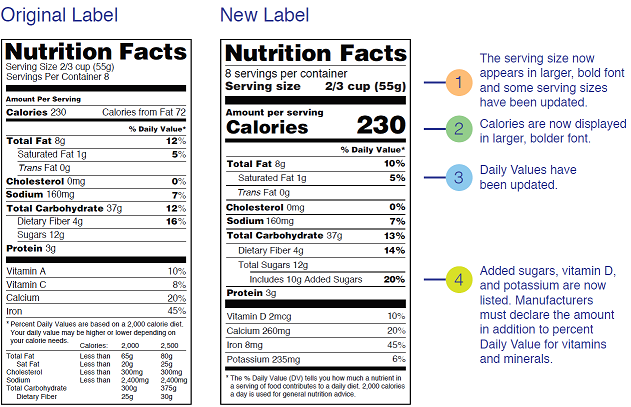
How to Read the 2020 Nutrition Labels | Healthy Outlook
Nutrition Facts: How to Read Nutrition Labels - Greatist The Food and Drug Administration (FDA) regulates terms used on food labels. Here are some to look for: Calorie-free: Less than 5 calories per serving Low calorie: 40 calories or less per serving...
7 Hidden Messages In Packaged Food Labels - Eat This Not That
How to Read a Nutrition Label, According to Dietitians When you're figuring out how to read a nutrition label properly, you'll need to first reference the food's serving size — typically listed in cups or pieces and the number of grams — and the number of servings in a package (aka servings per container).

How to Easily Read Nutrition Facts Labels | Underscore_
2.6: Understanding Food Labels - Medicine LibreTexts Low-fat indicates that the product has three or fewer grams of fat; low salt indicates there are fewer than 140 milligrams of sodium, and low-cholesterol indicates there are fewer than 20 milligrams of cholesterol and two grams of saturated fat. The Daily Values on food labels serve as the basis for many nutrient claims.

32 What Is Total Fat On Nutrition Label
How to Understand the Nutrition Facts Label - HealthyBeat Below, we include the FDA's Daily Value recommendation based on a 2,000-calorie diet. Total Fat: Less than 65 grams Saturated Fat: Less than 20 grams Cholesterol: Less than 300 milligrams Sodium: Less than 2,400 milligrams Total Carbohydrates: 300 grams Dietary Fiber: 28 grams Protein: 50 milligrams Iron: 18 milligrams Calcium: 1300 milligrams

Fats: The Threatening Necessity — Investing in Children
The Basics of the Nutrition Facts Label Aim low in saturated fat, trans fat, cholesterol and sodium. High is 20% or more. Aim high in vitamins, minerals and dietary fiber. Step 4: Check Out the Nutrition Terms Low calorie: 40 calories or less per serving. Low cholesterol: 20 milligrams or less and 2 grams or less of saturated fat per serving.

List of Nutrition Labels | Nutrition Claims Certification
Applying nutrition label facts to your daily diet - Studio LBP The U.S. Food and Drug Administration (FDA) requires the label on all packaged foods and beverages. Understanding the Nutrition Facts Label. Here are the definitions of the key terms on food labels and how they can help you make healthy choices about the foods you eat. Servings Per Container is the number of servings in each container. Some ...
Solved: Nutrition Labels: Analyze The Nutrition Label Atta... | Chegg.com
How to Read a Nutrition Facts Label | Everyday Health "The nutrition facts label can have 0 g listed next to trans fat, as long as the product has less than 0.5 g of trans fat per serving," says Goergen. "That goes for any of the nutrients ...
Understanding Food Labels in Canada - Unlock Food

Understanding Nutritional Facts Labels - Health Fitness And More

List of Nutrition Labels | Nutrition Claims Certification
Post a Comment for "43 understanding fat on nutrition labels"